
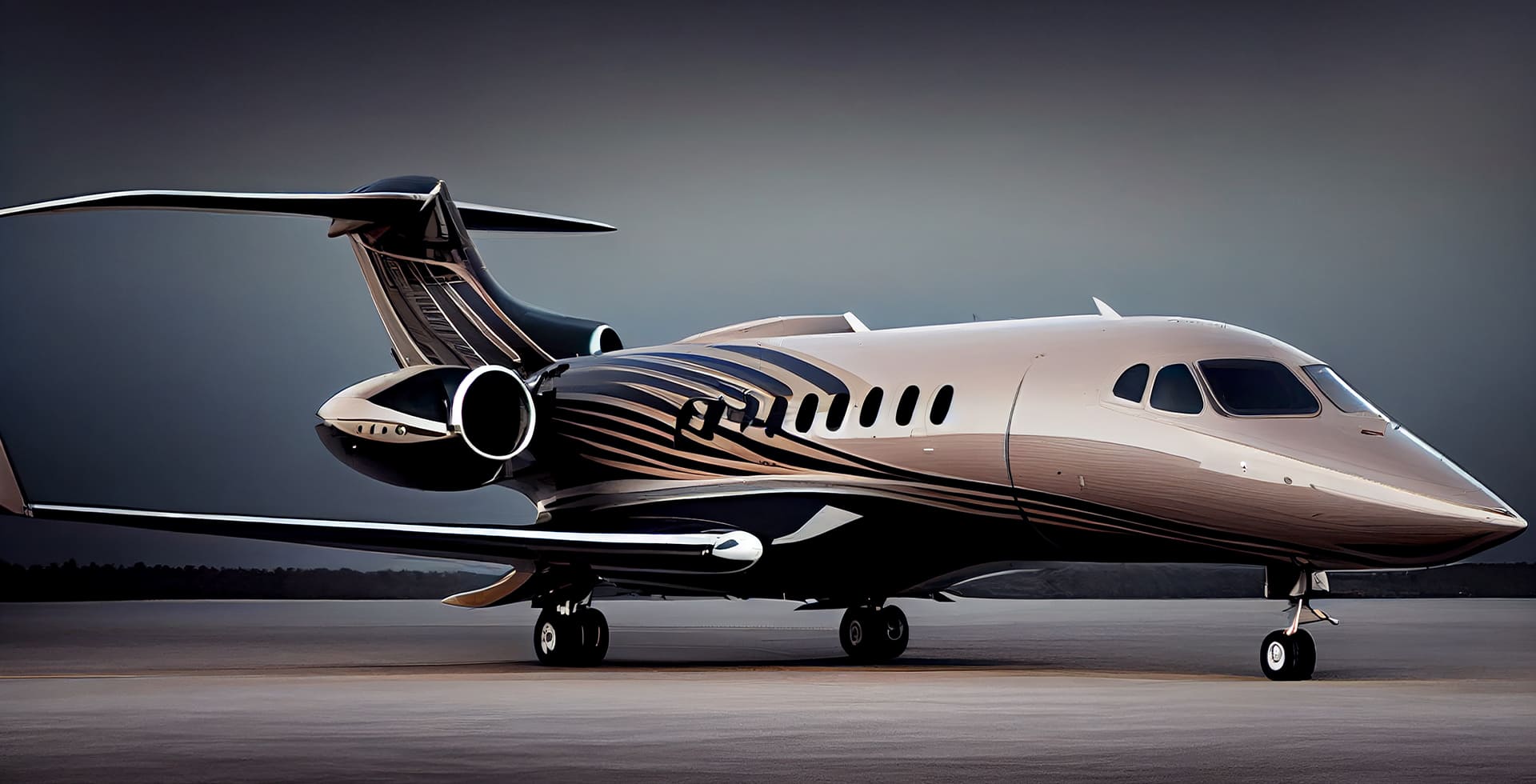
You expect a unique flying experience in private jet travel. It is known to combine comfort, efficiency, privacy, and flexibility. Private aviation is different from commercial flights on a lot of aspects. With private aviation, you can experience a more personalized environment, and travelers can enjoy greater convenience and control over their journey.
Nevertheless, even if private aviation feels more relaxed than commercial air travel, there are certain etiquette guidelines that are essential for a smooth and enjoyable experience for everyone involved. No matter if you’re a first-time passenger in private jets or a seasoned traveler, you must understand proper private jet etiquettes. This demonstrates professionalism, respect, and consideration for fellow passengers and crew members.
In this guide, we’ll explore the essential etiquette rules every private jet passenger should know before stepping aboard.
Why Private Jet Etiquette Matters
The mode of operations is different from commercial airlines, when it comes to private aviation. In private jets, the environment is more intimate, passenger groups are smaller, and you get a more personalized interaction with crew members.
Good etiquettes contribute to:
- A comfortable experience for all passengers
- Smooth flight operations
- Positive relationships with crew members
- Professional conduct during business travel
- Respect for the aircraft and its operators
Travelers can use private aviation better by understanding this expectation, and simultaneously maintain a more courteous atmosphere onboard.
Arrive on Time, Even Though You Can Arrive Later
A significantly big advantage of private aviation is there’s limited wait time associated with it. Commercial flights require you to arrive hours before departure, but this is different in the case of private jets. You need far less time than commercial flights before takeoff.
Nevertheless, this flexibility is not your ticket to arrive late. With cautiously coordinated schedules in private flights, delays impact aircraft availability, crew schedules, airport slots, and even subsequent flights as well. You demonstrate respect for everyone else involved in the journey, simply by arriving on time.
Following arrival recommendations is a good practice. Such recommendations are generally provided by your charter operator or flight coordinator.
Confirm Passenger Details in Advance
Accurate passenger information before departure is a necessity when it comes to private aviation. Notify your provider as soon as possible is essential, if there’s even a slight change in passenger list. Several logistical challenges are created by last-minute adjustments, which also impacts documentation or security requirements.
If you want to ensure a smooth boarding, you must provide complete and accurate information. This helps in avoiding any kind of unnecessary delays.
Dress Appropriately for the Trip
Private jets don’t require any formal attire at all times. It’s a misconception! Dress expectations completely vary depending on the purpose of the trip. Professional clothing is generally worn by business professionals. Leisure travelers have complete liberty of donning smart casual attire.
The main aim here should be to dress appropriately for the occasion itself, while remaining respectful for all your fellow passengers. Professional attire is the general preference in the case of business flights, but comfortable and presentable clothing is suitable for vacation travel.
In private aviation, higher value is placed on comfort, but polished appearance is still highly appreciated.
Respect the Crew
Safety, comfort, and operational efficiency in a flight is dependent on the crew. They play an indispensable role in shaping your experience. A more personal relationship between passengers and crew members is created in private jets. However, professionalism is the key, and should always be maintained.
You must employ simple gestures like greeting crew members, following instructions, and even communicating respectfully. These areas can contribute significantly to your overall flight experience.
Always remember that crew members are there to assist passengers, but have other operational responsibilities as well. Therefore, they deserve respect and coordination. Having a courteous attitude can make your onboard experience far more enjoyable.
Follow Safety Instructions
Passengers tend to overlook safety procedures, simply owing to the relaxed nature of private aviation. However, there’s no denying the fact that regardless of aircraft size or destination, safety is by far the main concern that must be considered.
All passengers should:
- Pay attention to safety briefings
- Follow crew instructions
- Keep seat belts fastened when requested
- Observe aircraft safety requirements
- Respect cabin restrictions
While private aviation feels more casual than commercial flying, there are aviation regulations that still apply in such cases.
Be Mindful of Luggage Limits
Depending on size and configuration, different private aircrafts have different baggage capacities. Private jets often have limited storage space, unlike large commercial aircraft. Without prior notice, if you’re bringing excessive luggage, it can create unnecessary logistical challenges.
Confirm baggage allowances with your charter providers, before you traveling. Are you planning to carry sport equipment, oversized items, or any additional luggage? You must communicate such needs in advance.
With proper planning, any unnecessary issues can be easily avoided before departure.
Respect Passenger Privacy
In private aviation, one of the highly valued aspects is privacy. Private travel offers a confidential and discreet environment, making it the main choice for many travelers. Business discussions, personal conversations, and sensitive information may be shared during flights.
Avoid the following:
- Taking photos of other passengers without permission
- Sharing travel details publicly
- Discussing private conversations outside the aircraft
- Posting identifiable information on social media without consent
One highly important rule of private jet etiquette is, you must respect privacy.
Manage Noise Levels Thoughtfully
Comfort, work, and relaxation are important features of private jet cabins. While the atmosphere is generally more relaxed than commercial flights, passengers should remain aware of how their behavior affects others.
When traveling with a group:
- Keep conversations at reasonable volumes
- Use headphones for entertainment
- Minimize disruptive noise
- Consider fellow passengers who may be working or resting
A respectful cabin environment benefits everyone onboard.
Be Considerate During Business Flights
Many private jet journeys are conducted for business purposes.
When traveling with colleagues, clients, or executives, professional conduct becomes especially important. The aircraft often functions as an extension of the workplace.
Business travelers should:
- Arrive prepared
- Respect meeting discussions
- Maintain confidentiality
- Avoid unnecessary interruptions
- Use electronic devices responsibly
Professional etiquette helps create a productive travel environment and reflects positively on all passengers.
Use Onboard Amenities Responsibly
Your comfort during any journey is often higher in the case of private jets, as the basic amenities offered are designed to enhance comfort. These may include:
- Refreshments
- Entertainment systems
- Wi-Fi connectivity
- Workspace areas
- Refined seating arrangements
As a passenger, you’re required to use these amenities respectfully. Also, avoid any unnecessary waste as well. Demonstrate appreciation for the service provided by using the aircraft just like you would do in the case of any refined environment.
Communicate Special Requests Early
One advantage of private aviation is the ability to customize aspects of the travel experience.
If you have dietary preferences, accessibility requirements, pet travel arrangements, or special requests, communicate them before the flight whenever possible.
Advance notice allows operators to make appropriate arrangements and deliver a smoother experience.
Waiting until boarding to mention significant requests may limit available options.
Traveling with Pets? Plan Ahead
Private aviation is often a preferred choice for pet owners because it offers a more comfortable environment for animals.
However, pet travel still requires preparation.
Passengers should:
- Inform operators in advance
- Bring necessary documentation
- Follow crew guidance
- Ensure pets remain well-behaved onboard
Planning ahead helps create a safe and pleasant experience for both passengers and animals.
Show Appreciation Without Overcomplicating It
Many passengers wonder whether tipping is expected on private jet flights.
Practices vary depending on the operator, location, and circumstances. While tipping is not always required, expressing gratitude for excellent service is always appreciated.
A simple thank-you, positive feedback, or acknowledgment of exceptional service can leave a lasting impression.
Professional courtesy remains one of the highly valued forms of appreciation.
The Importance of Respecting the Private Aviation Experience
Private aviation offers a unique level of convenience and personalization that many travelers find valuable. However, the experience works appropriately when passengers approach it with professionalism, courtesy, and respect.
Good etiquette is not about following rigid rules, it is about creating a comfortable environment where passengers, crew members, and operators can work together efficiently.
Whether traveling for business, leisure, or a special occasion, thoughtful behavior contributes to a more enjoyable journey for everyone involved.
Final Thoughts
Private jet travel combines flexibility, privacy, and convenience in ways that differ significantly from commercial aviation. While the experience may feel more relaxed, proper etiquette remains essential.
By arriving on time, respecting privacy, communicating clearly, following safety instructions, and interacting with crew members with courtesy, passengers can enjoy all the benefits of private aviation while contributing to a positive travel environment.
A little consideration goes a long way. Understanding private jet etiquette not only enhances your own experience but also helps ensure every flight is smooth, professional, and enjoyable from takeoff to landing.